

Kiên tâmtạo giá trị
Legal compliance: The foundation of execution capability
For real estate projects, legal compliance is more than a prerequisite for development. It is also the first basis for buyers to assess a developer’s transparency and its ability to deliver on its commitments.
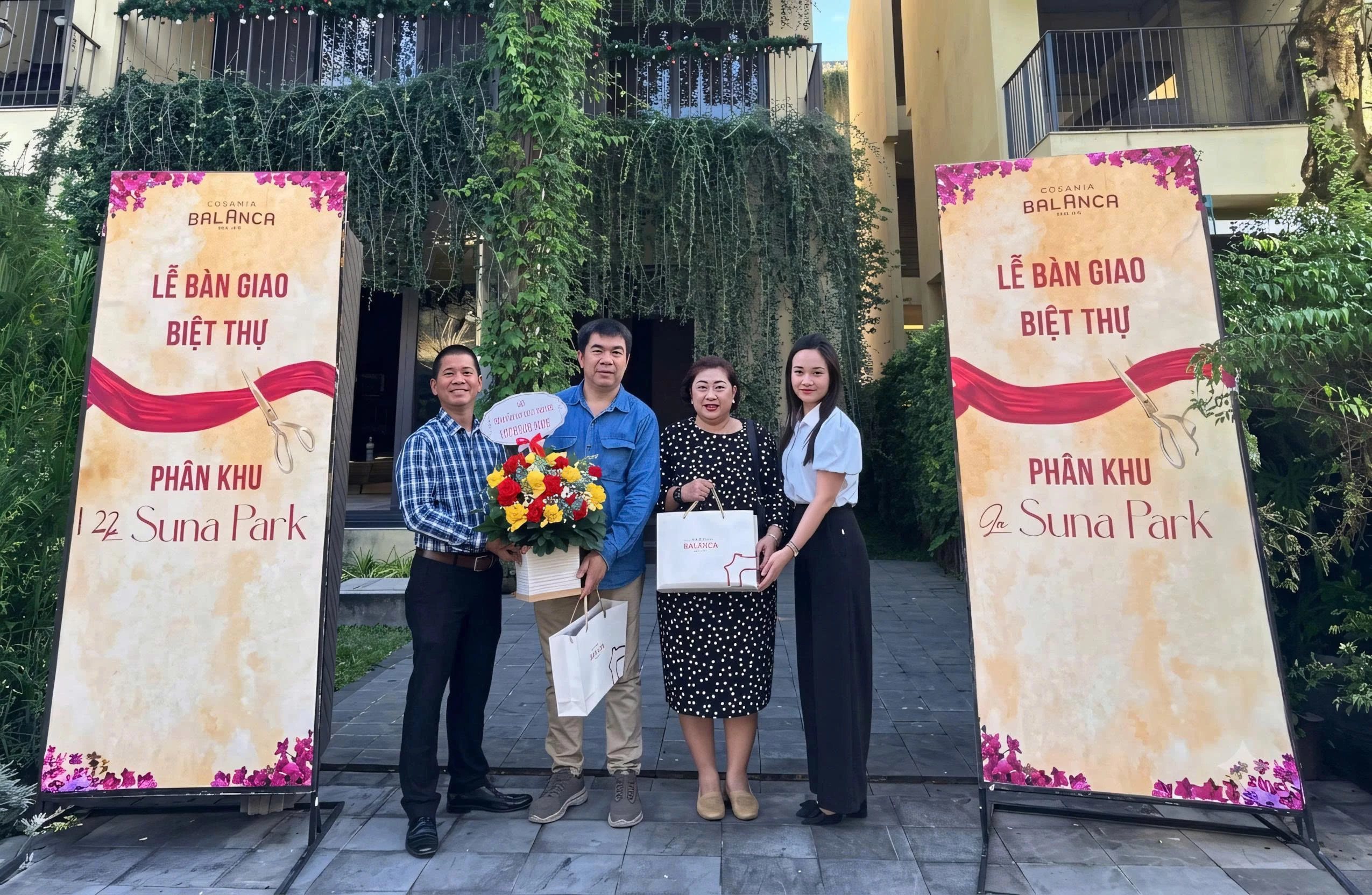
Transparent Legal Status – A Strong Safeguard for Asset Value
In the real estate market, legal transparency has become a key filter through which buyers assess the underlying value of each project. Risks associated with properties that lack complete legal documentation have made buyers increasingly cautious, with greater preference for assets with clear legal records and well-established ownership rights.
The three Casamia projects developed by Đạt Phương Group in Da Nang and Hoi An illustrate the developer’s consistent approach. Casamia, Casamia Calm and Casamia Balanca have all been developed on the basis of fulfilling the required legal conditions, with products offered under long-term ownership arrangements.
Execution capability is also reflected in how a developer delivers its products to customers, particularly through the level of completion of both the properties and the overall project. The houses are handed over with structural works completed and exterior finishes in place, within an urban development where infrastructure, landscaping and amenities have been implemented in an integrated manner. This marks an important distinction between selling a promise of a product and delivering a product that has already been realized in practice. As the market places greater emphasis on transparency, legal value is therefore no longer merely a condition for sales, but an integral part of asset value and buyers’ confidence in the developer.
Balanced Planning, Optimizing Land and Living Space
If legal compliance provides the foundation for a project to move forward, planning determines how value is created from the land. Effective planning requires a balance between the area allocated to development and the space reserved for landscaping, amenities and the community.
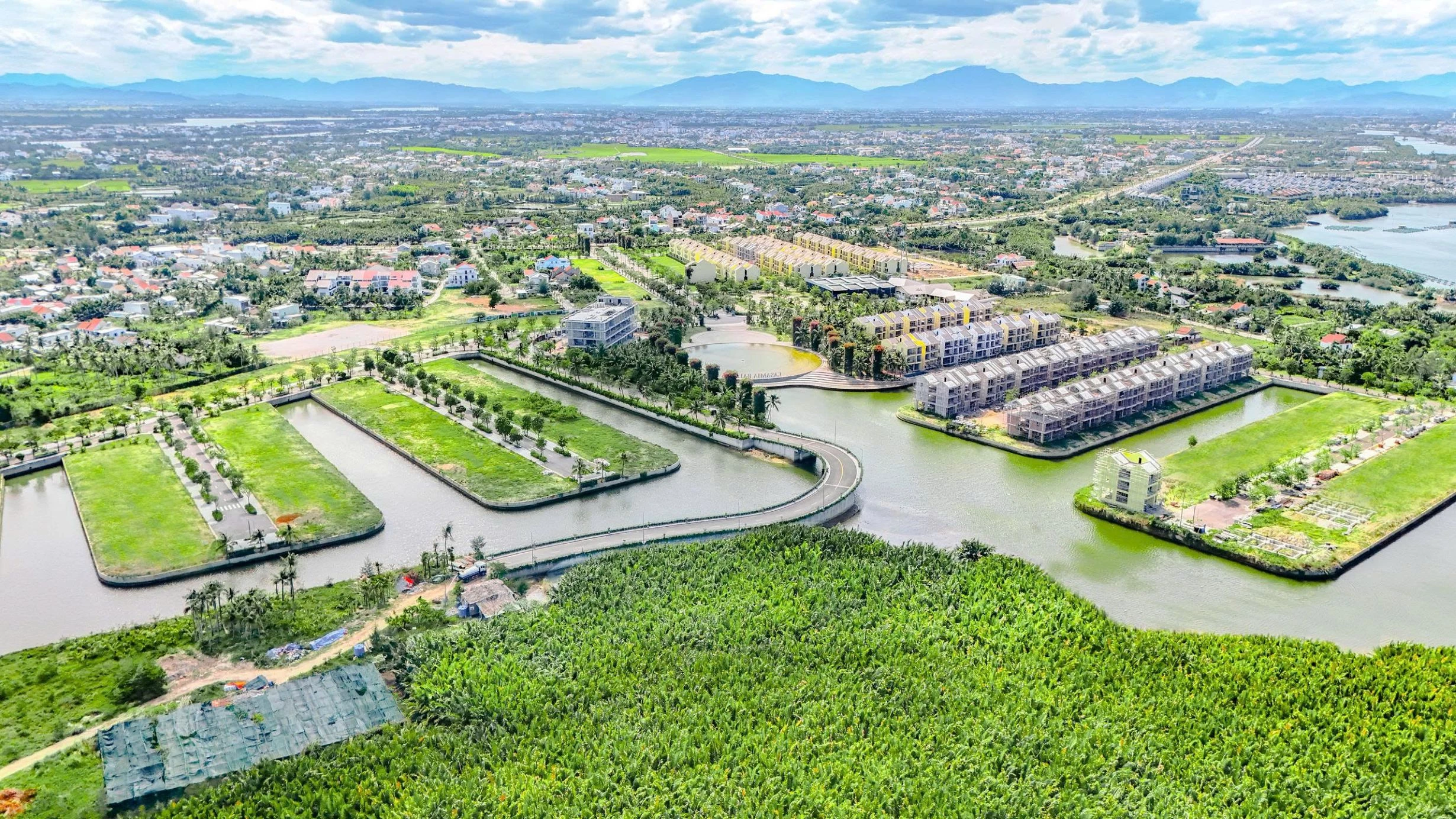
Balanced Planning Between Development Density and Landscape
At Đạt Phương, development density across its urban projects is carefully controlled, leaving room for greenery, water features and open spaces. The figures stand at approximately 37.5% for Casamia, below 35% for Casamia Calm and 38% for Casamia Balanca. These figures reflect an approach to land allocation that seeks to balance the development of properties with the spaces that contribute to the overall quality of life within each urban area.
A consistent feature of the planning approach across the Casamia projects is the integration of buildings with the existing waterways, greenery and landscape of each location. Casamia was among the first projects in Vietnam to introduce the concept of private home marinas into an ecological urban setting. Casamia Calm was developed as a resort-inspired community within the heritage landscape, with the Cổ Cò River winding around the project. At Casamia Balanca Hoi An, ecological waterways up to 25 meters wide are incorporated into the master plan, alongside substantial areas dedicated to landscaping, public squares and communal spaces, creating additional opportunities for residents to interact and connect.
While the three projects adopt different planning approaches, they reflect a consistent choice: reduce the development pressure on the land, preserve the area’s natural assets and make nature an integral part of the urban structure.
When development density is controlled from the planning stage, a project can create more room for daily life, social connections and amenities. The value of an urban development therefore lies not only in what is built, but also in the quality of life it provides for residents over the long term.
Operations: The Test of Long-Term Commitment
A project may be completed within a few years, but maintaining the quality of its landscape, shared spaces, amenities and community life requires a longer-term commitment and operational capability. This is also an aspect that may be less visible at the point of purchase, yet it directly affects the property's usability and value after handover.
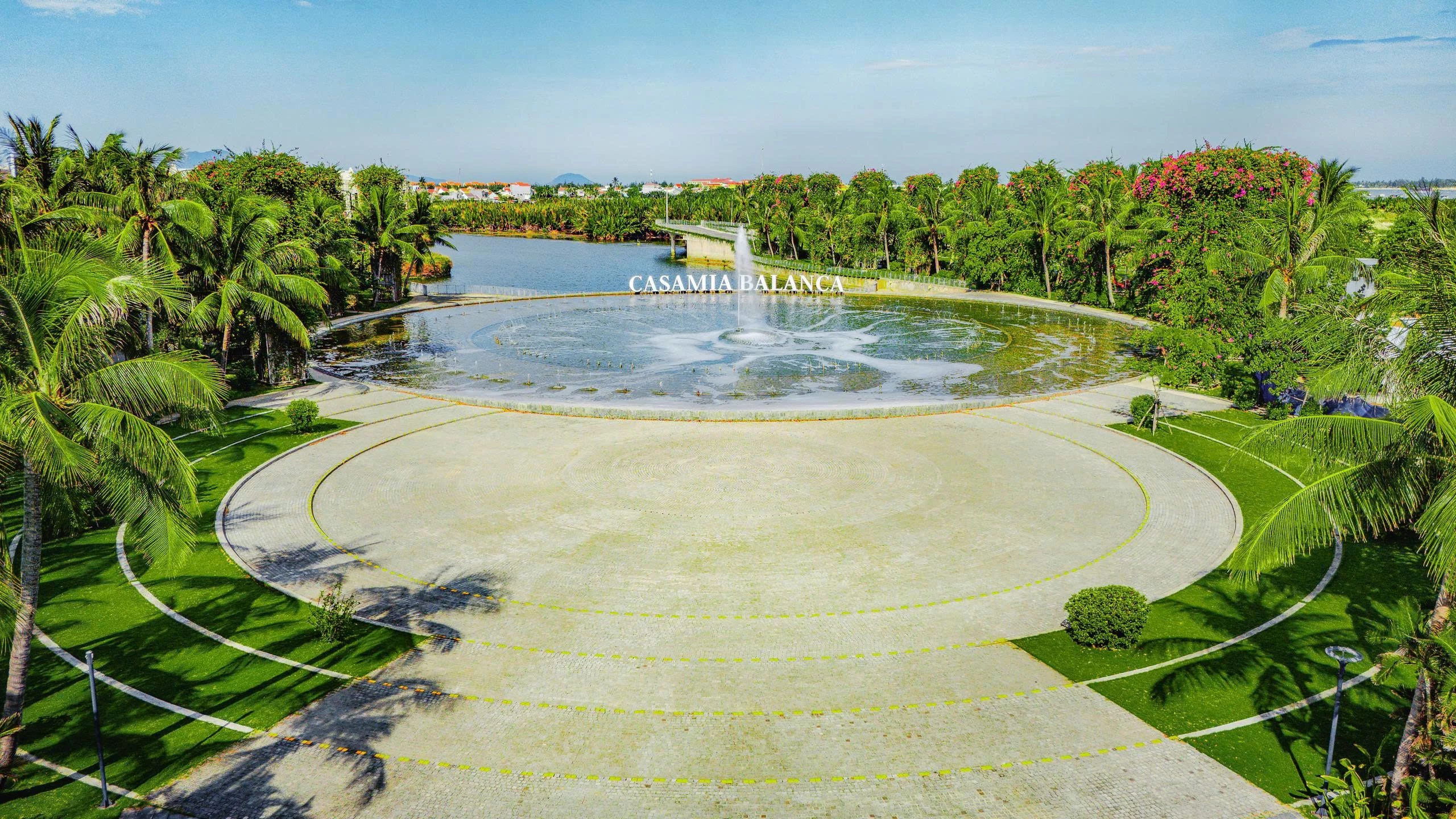
Long-Term Operations: An Integral Part of Project Development Capability
For Casamia and Casamia Calm, the company maintains the landscape, infrastructure, amenities and security, helping sustain the projects’ operations and vitality over time. As resident communities take shape, this ongoing commitment remains in place to support quality of life and preserve the value of the urban developments.
At Casamia Balanca, the operational approach extends to helping customers make more effective use of their properties. Through its partnership with M Village, the Park Home units are operated under a long-stay accommodation model, with professionally organized processes covering tenant acquisition, property management, operations and maintenance. This helps reduce the burden of self-management for owners while supporting a more stable income stream.
This approach is also reflected in the investment in and ongoing operation of amenities, including a seven-court pickleball complex, an Olympic-standard swimming pool and a clubhouse. Beyond construction, the developer places emphasis on effective operations to maintain the vitality of the development and foster connections among residents.
Viewed across the Casamia portfolio, from legal compliance and planning to operations, Đạt Phương’s execution capability is demonstrated through its ability to turn commitments into tangible value across each project. This provides a foundation for Casamia properties to earn customer confidence and market acceptance. Ultimately, execution capability is how a developer creates real value and strengthens trust in the market.
