

Kiên tâmtạo giá trị
From remote workers and long-stay guests to frequent return visitors, these groups are bringing increasingly diverse expectations to accommodation, creating new demands for real estate products in these destinations.
The People Reshaping Accommodation Demand
Among these “temporary residents,” remote workers, including the digital nomad community, represent a notable segment. Freed from the constraints of a fixed office, they have greater flexibility in choosing where to work and live. They tend to prioritize accommodation that combines work, relaxation and everyday living, with features ranging from privacy and reliable internet connectivity to convenient access to local amenities.
Long-stay guests may include professionals, expatriates and other groups visiting for different purposes but sharing a common view of the destination as a second home. Rather than spending their time on conventional sightseeing, they prefer to explore the landscape, cuisine, traditional craft villages and daily life of local communities at a leisurely pace. For this group, accommodation must provide a good quality of life, safety and reduced exposure to flooding risks, alongside diverse amenities and convenient connections to the surrounding area for everyday activities.
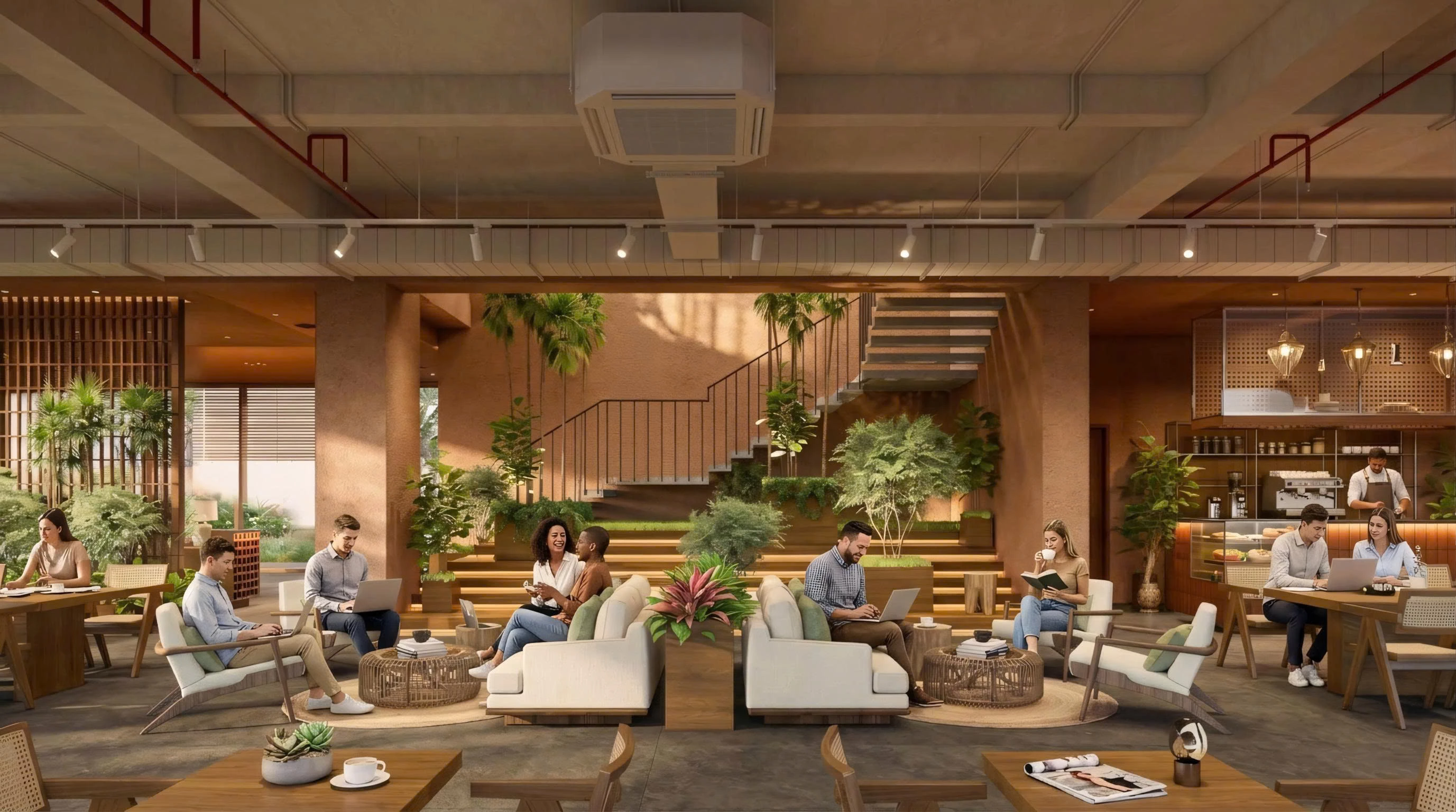
Flexible workspaces are becoming an integral part of accommodation choices for remote workers.
These three groups may overlap, but they collectively reflect a shift: accommodation is moving beyond its traditional role as a place to spend the night, becoming a multifunctional living environment where people can work, relax and experience a destination in their own way.
Meanwhile, frequent return visitors tend to seek a more resort-oriented lifestyle, drawn by a sense of familiarity and the comfort of returning to a place they love. They often organize their time around personal routines, including relaxation, self-care and spending quality time with family.
As a result, this group has high expectations for living spaces, from privacy, tranquility and green landscapes to a comprehensive range of premium amenities that cater to the needs of individuals and families throughout their stay.
Real-Life Experiences Shaping New Accommodation Needs
For “temporary residents,” destination choices are increasingly linked to how they want to experience a place and organize their lives during their stay.

Cultural experiences and local lifestyles are becoming increasingly important in how visitors explore a destination.
After more than four years of traveling across several Asian countries, Ms. Olga Stanik, born in 1978 and a Ukrainian national, realized that what she was looking for was no longer simply new experiences, but a sense of belonging to a place. Hoi An appeals to her for its rich natural surroundings and welcoming people. Living close to rivers and the sea, opportunities for sports, connections with the community and an affordable cost of living are also among the reasons she wants to return.
Her experience illustrates that a destination's appeal lies not only in what visitors can discover over a few days, but also in its ability to support a comfortable and fulfilling lifestyle over an extended period.
For remote workers, this balance is also reflected in how a space accommodates seemingly contrasting needs: maintaining focus without being disconnected from nature, sustaining productivity while still having time to enjoy life. Blake, born in 1995 and an American national, shares:
“I need a quiet, private space with high-speed internet so I can focus on my work. But when I close my laptop, I want plenty of greenery and easy access to everyday services. If I can find that balance in Hoi An, we will have even more reason to stay longer rather than constantly looking for new places to settle.”
For those who have returned to Hoi An many times, familiarity offers a different way to enjoy the destination: slowing down, having greater control over their time and dedicating more time to the things they love. Jordi, born in 1995 and a Spanish national, shares:
“I have visited Hoi An many times, and every time I return, I want to stay longer. Now that I am familiar with the scenery and lifestyle here, I enjoy taking things at a slower pace in this second home. If I stay for several weeks or longer, I prioritize a space that harmonizes with nature and offers on-site amenities, allowing me to organize my daily life around my own interests. To me, Hoi An is a place where I could live for an extended period, not just a holiday destination.”
These experiences suggest that the longer people stay, the more their accommodation criteria extend beyond basic amenities. What matters is the ability to balance work and relaxation, connect with the surrounding environment and enjoy the freedom to organize daily life on their own terms.
From Accommodation Needs to New Requirements for Destination Real Estate
Changes in user behavior are prompting a broader perspective on real estate in tourism-oriented cities. Location and architecture remain important, but a property's practical value is also determined by its functionality, privacy, amenities and connections to the local landscape and culture.
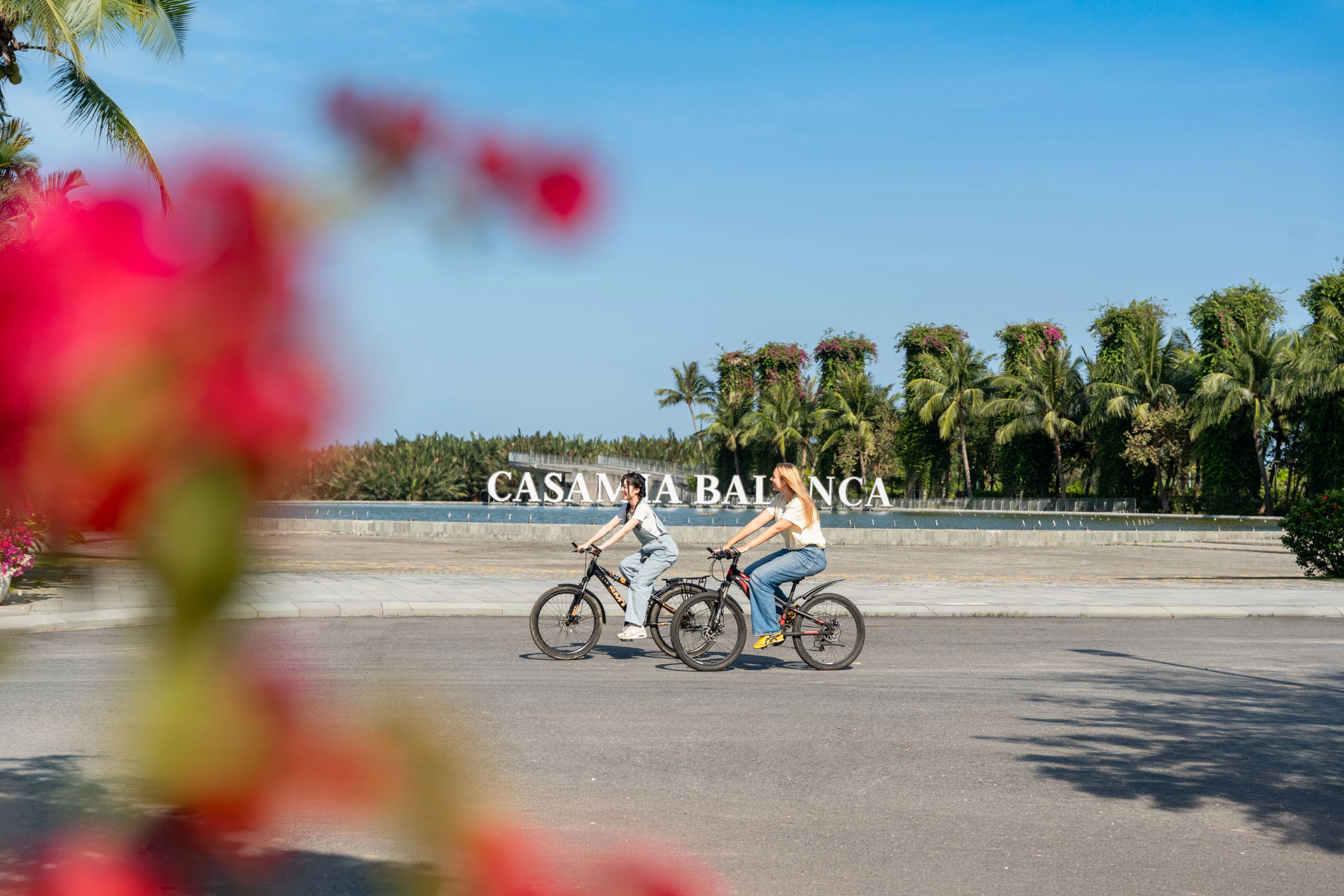
Destination real estate is evolving to accommodate increasingly diverse needs for accommodation and experiences.
This shift highlights the importance of flexibility in product development. Spaces that can serve multiple purposes—from extended stays and remote working to family leisure and experiential holidays—can broaden their potential uses and appeal to different customer segments at different times.
Located in the buffer zone of the Cu Lao Cham–Hoi An World Biosphere Reserve, Casamia Balanca, developed by Dat Phuong Group, is a notable example of this approach. The project spans approximately 31.1 hectares, including 3.6 hectares of preserved natural nipa palm forest. With eight hectares of green spaces and water features, alongside amenities such as swimming pools, seven pickleball courts, restaurants, plazas and reading stations, the development caters to sports, relaxation, social interaction and dining within the urban area, extending the living experience beyond the home itself.
Notably, the Park Home garden-house collection features three-story homes with four bedrooms and private gardens, allowing families to enjoy shared activities while maintaining private spaces for individual relaxation. In addition, a modern co-working space supports remote working during extended stays in Hoi An.
The emergence of “temporary residents” is driving destination real estate projects to place greater emphasis on multifunctionality in both their products and living environments. As stays become longer, the ability to adapt flexibly to different customer needs will be a key factor in determining a property's long-term utility and sustained appeal.
