

Kiên tâmtạo giá trị
When Climate Change Presents New Challenges for Riverine and Coastal Cities
Since the beginning of this summer, many localities in Central Vietnam have experienced consecutive heatwaves, with temperatures exceeding 40°C. At the same time, extreme weather events such as storms, high tides, and saltwater intrusion have become increasingly frequent. These realities demonstrate that climate change is no longer a challenge of the future but an immediate concern, requiring urgent efforts to strengthen the adaptability and resilience of riverine and coastal urban areas.
For many years, investment priorities have focused primarily on transportation and urban infrastructure. However, a new global trend is gaining momentum: investing in “green infrastructure” — networks of natural ecosystems that help regulate climate, protect the environment, and enhance urban resilience against climate-related impacts. These may include mangrove forests that reduce coastal erosion, vegetation that absorbs carbon, and wetlands capable of regulating water resources and temperature. As a result, natural capital is increasingly recognized as a vital component of the long-term development strategies of many countries and coastal cities worldwide.
Cu Lao Cham: More Than a Tourist Destination
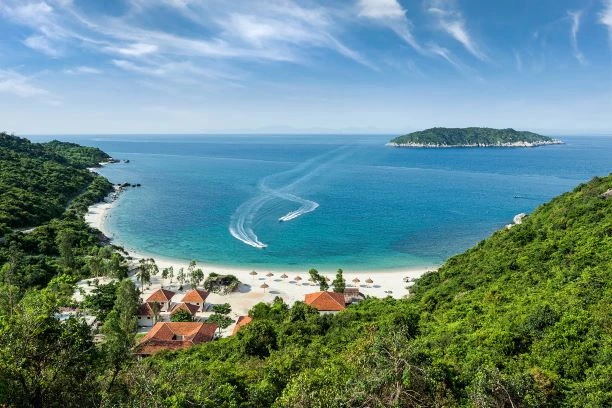
Cu Lao Cham – An Ecological Stronghold Against Climate Challenges
Recognized by UNESCO as a World Biosphere Reserve in 2009, Cu Lao Cham is home to a diverse ecological network comprising natural forests, nipa palm forests, coral reefs, seagrass beds, and wetlands. Beyond its role in preserving biodiversity, the reserve serves as an important “blue carbon sink,” helping absorb carbon, protect coastlines, regulate climate, and maintain ecological balance for the Hoi An coastal region.
As awareness of the value of natural capital continues to grow, local authorities are placing greater emphasis on conserving existing ecosystems. In Hoi An, the principle of “conservation first, restoration second” is gradually being translated into practice through efforts to protect existing natural resources associated with the Cu Lao Cham World Biosphere Reserve. Casamia Balanca is one example of this approach in action.
Preserving Native Green Ecosystems
Located along the Co Co River in Cam Thanh Ward, Casamia Balanca is an ecological urban development planned with a strong commitment to respecting and preserving the native landscape. One of the project’s most notable features is the conservation of 3.6 hectares of existing nipa palm forest within its master plan. This area lies within the river–sea transitional zone and serves as an important link in the ecological network of the Cu Lao Cham World Biosphere Reserve.
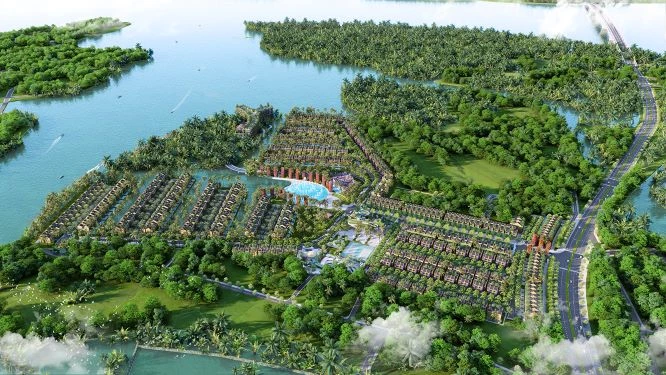
Casamia Balanca Prioritizes the Conservation of Native Nipa Palm Ecosystems
According to studies by NOAA (the U.S. National Oceanic and Atmospheric Administration), blue carbon ecosystems such as mangroves and coastal wetlands can store significantly more carbon than terrestrial forest ecosystems. Preserving the existing 3.6 hectares of nipa palm forest therefore goes beyond maintaining the natural landscape; it also helps safeguard a valuable natural carbon reservoir and biodiversity hotspot. These nipa forests contribute to microclimate regulation, carbon absorption, water protection, and habitat creation for numerous species.
Turning Commitment into Action
Climate change, biodiversity loss, and the pressures of urbanization call for long-term programs aimed at restoring and regenerating natural resources. This is a shared responsibility that requires collaboration among government agencies, local communities, and businesses.
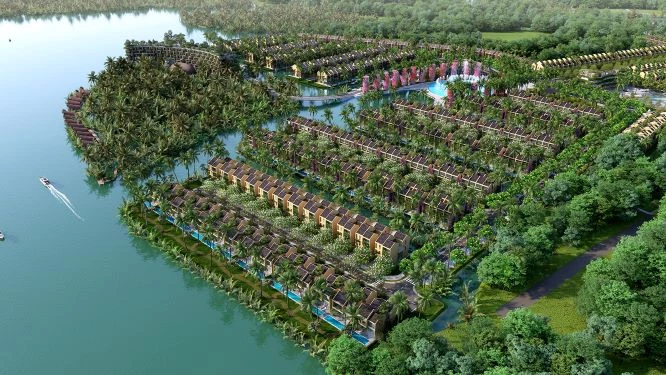
Dat Phuong Accompanies Efforts to Preserve Sustainable Ecosystems
Starting in June this year, Dat Phuong Group, the developer of Casamia Balanca, launched the “1 Billion Green” campaign with the goal of supporting forest restoration efforts in the Cu Lao Cham–Hoi An Biosphere Reserve through 2030. The initiative, “One Tree – One Commitment,” is expected to encourage broad participation from communities and partners in tree planting and forest restoration activities, while promoting greater awareness of sustainable development and the responsibility to protect native ecosystems.
