
Resiliencecreates values
For a long time, real estate in Vietnam has been viewed primarily as an asset to own and hold in anticipation of price appreciation. Investors would purchase a villa, wait for infrastructure to be completed and the market to grow, then sell at a profit. But the investment equation is gradually changing. Investors are paying greater attention to assets that can generate steady cash flow, prompting businesses to rethink their business models.
Hoi An is well positioned for this model to develop. The city is both an international tourism destination and home to a diverse ecosystem of culture, nature and resort experiences. Its convenient connection to central Da Nang further supports accommodation demand.
Alexandra Murray, Regional Vice President and Managing Director for Southeast Asia at Hilton, said that since NHAAN Resort & Spa Hoi An opened in early August 2026, the resort had recorded positive booking momentum from both international and domestic guests. International visitors have mainly come from the United States, South Korea and Japan, while domestic demand for resort stays has also been encouraging.
Hilton has observed an increasingly diverse mix of visitors to Hoi An, ranging from couples seeking relaxation and wellness, families on holiday and groups of friends to mature travelers looking for resort experiences and opportunities to recharge.
According to Hilton’s South East Asia Pulse Check survey, 59% of respondents expect to increase their spending on trips to Southeast Asia, while 41% plan to extend their stays. The three most sought-after experiences are food, culture and nature exploration.
Meanwhile, many real estate brokers are shifting their focus toward rental properties, particularly for foreign tenants. For leases exceeding one year, the typical brokerage fee is equivalent to one month’s rent; for shorter leases, fees are generally calculated as a percentage.
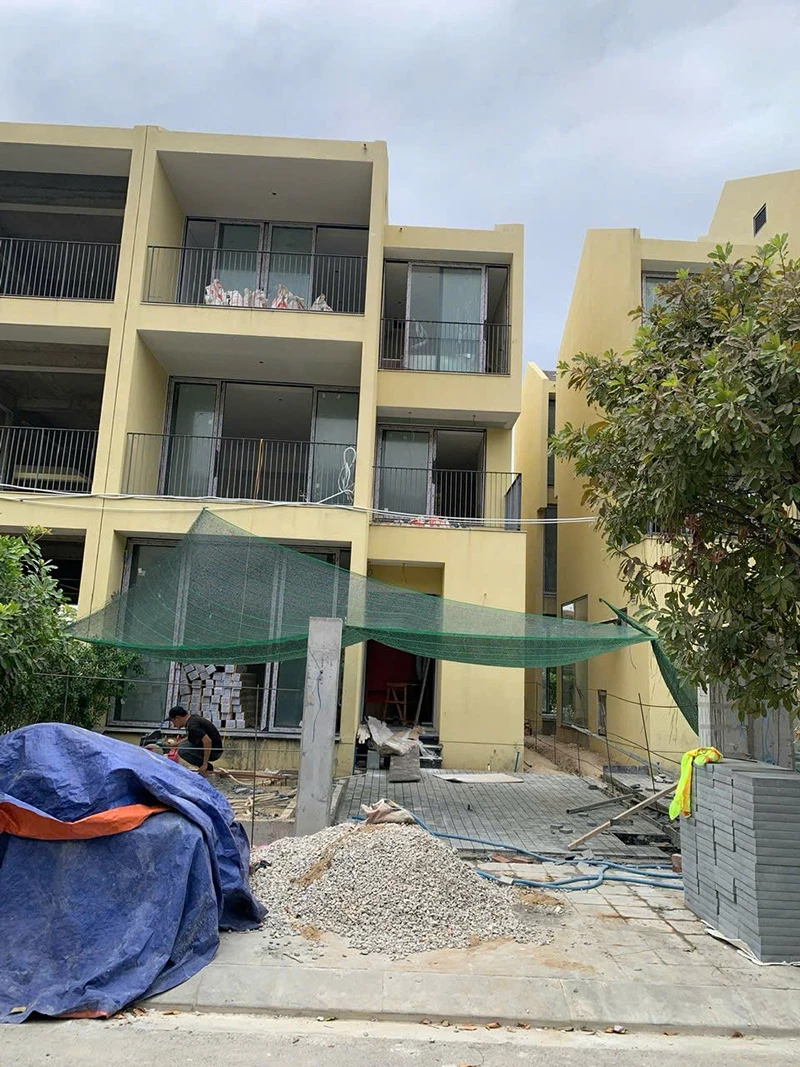
Completed garden homes at the Casamia Balanca project in Hoi An
One notable indicator across Dat Phuong’s Casamia portfolio is the proportion of homeowners who have completed their properties. According to the project management teams, more than 60% of homes at Casamia Vong Nhi have been completed, compared with over 80% at Casamia Calm. Completing a home requires owners to commit a substantial amount of additional capital after handover. If the sole objective were to wait for property prices to rise, owners would not necessarily need to complete their properties quickly. By contrast, the high completion rates — particularly at Casamia Calm — suggest that these assets are being put to practical use and have tangible potential for commercial exploitation.
Market observations indicate that the strong rental income potential of Casamia properties has become one of the incentives for owners to invest further in completing their homes. Of course, completion rates do not mean that every property will deliver the same return. Actual performance depends on factors such as acquisition cost, completion and furnishing expenses, occupancy rates, rental prices, operating costs and the length of time the property is in use. Nevertheless, from a market perspective, a high completion rate is a notable indicator of how actively a project is being used.
At Casamia Balanca, Dat Phuong is continuing to develop amenities, including a swimming pool, clubhouse and landscaped spaces, while partnering with M Village to complete and bring more than 10 garden homes into operation.
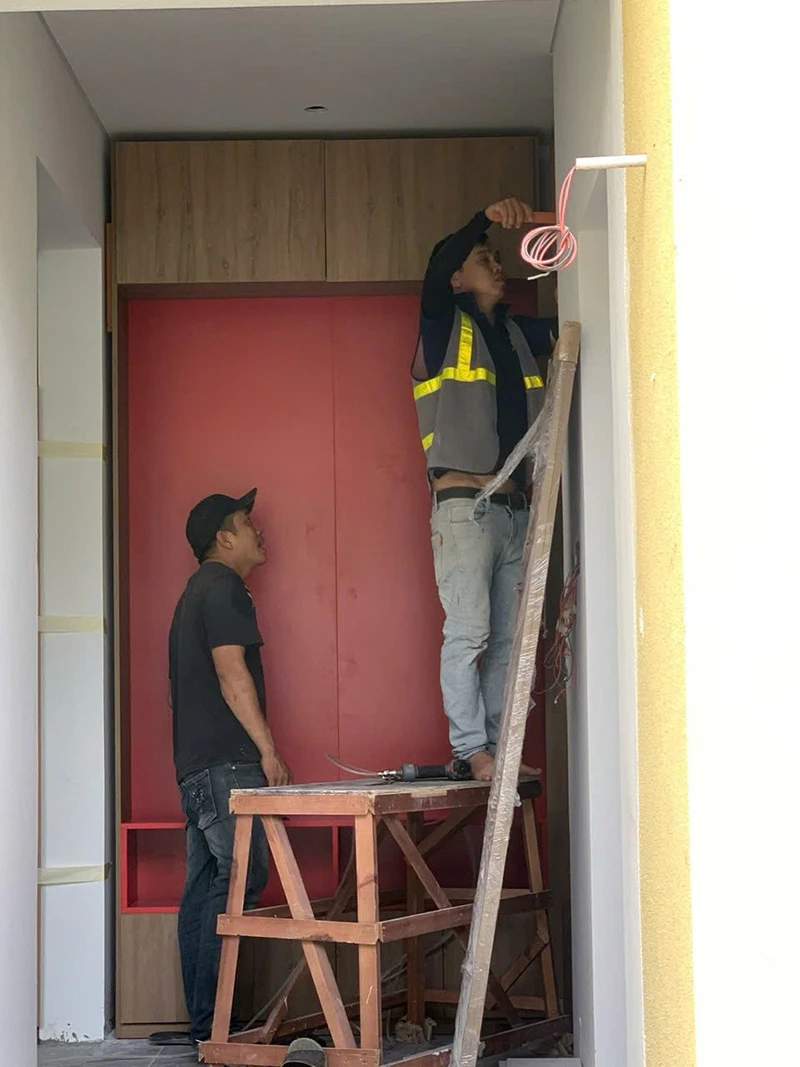
Garden homes completed to M Village’s operating format
These moves reflect a significant shift in the company’s approach to properties after they have been sold. Dat Phuong’s partnership with M Village to complete and operate garden homes at Casamia can be seen as a transition from real estate development toward asset development and operation. Continued investment in the clubhouse, swimming pool and other amenities at Casamia matters not only to residents but also to the commercial potential of the entire development.
At NHAAN Resort & Spa Hoi An, Hilton is pursuing a similar approach by incorporating experiences such as pottery making, lantern crafting and visits to local markets with the resort’s chef into its tourism offerings.
These experiences reflect an emerging trend in Hoi An tourism: visitors are no longer simply looking for a place to sleep; they want to immerse themselves in the destination. Real estate that can connect with this demand has considerably broader potential for generating value.
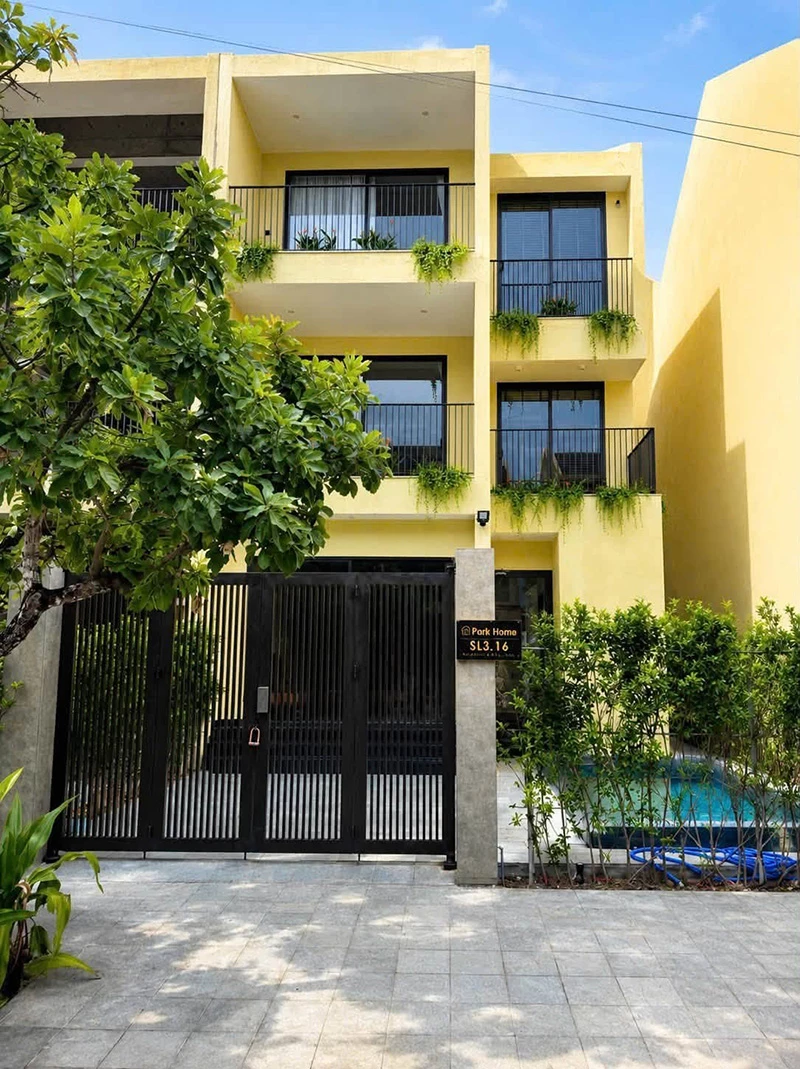
A completed garden home at Casamia Balanca
The outlook for cash-flow-generating real estate in Hoi An is therefore closely linked to tourism prospects and the quality of the living environment. Hilton views Vietnam as one of Southeast Asia’s hotel markets with significant potential. The group currently operates 24 hotels in Vietnam and has 23 projects in its development pipeline. It continues to expand in destinations with strong tourism advantages, including Hoi An and Phu Quoc. Rather than focusing solely on visitor numbers, Hilton also considers how much guests spend and how long they stay.
The Casamia experience points to a shift in how real estate businesses operate. In the past, a project’s success was often measured by sales velocity. Today, developers must pay closer attention to how properties are used and operated after they have been sold. If this model proves effective through actual occupancy rates, revenue and cash flow, it could pave the way for new business approaches across the market.